


Why Tokenisation is the Next Big Thing After Cryptocurrencies

Tokenisation is reshaping how we own and trade assets. From real estate to art, explore why it’s the next evolution after cryptocurrencies and how businesses can prepare.
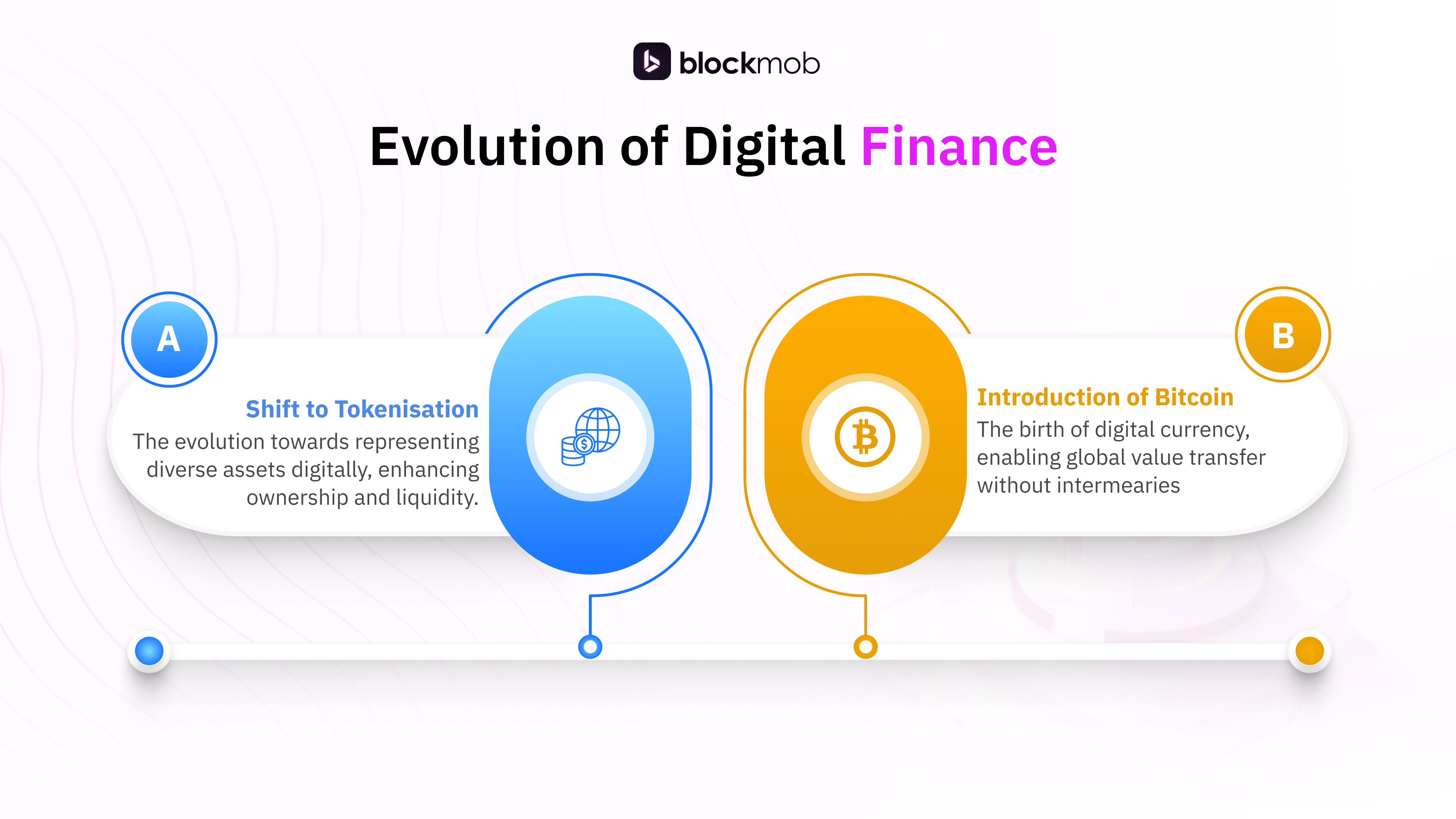
When Bitcoin was introduced in 2009, it marked the beginning of a financial revolution. For the first time, people could transfer value globally without relying on banks or intermediaries. Cryptocurrencies created a new form of money, transparent, borderless, and digital.
But like every great innovation, what came next turned out to be even more transformative. Today, the conversation has shifted from digital currencies to tokenisation, a technology that promises to reshape not only how we move money but how we own assets of every kind.
From Digital Currencies to Digital Assets
Cryptocurrencies showed us that money could exist outside of traditional systems. Tokenisation goes beyond money. It takes any real-world asset (RWA) from property and stocks to art and commodities and represents it as a digital token on the blockchain.
Think of it as turning ownership rights into programmable, tradeable, and secure digital units. These tokens carry the same value and rights as the underlying asset, but with far greater flexibility.
- Real estate: A $20 million commercial property can be broken down into 20,000 tokens, allowing global investors to buy fractions.
- Art & culture: Instead of one person owning an iconic painting, hundreds of collectors could share ownership through tokens.
- Finance: Bonds, funds, and equities can be issued as tokens, cutting settlement times from days to seconds.
This shift is not just theoretical; it is already happening across industries.
Why Tokenisation Matters More Than Ever
The rise of tokenisation is not a coincidence. Several global trends are converging to make this technology necessary:
1. Accessibility for All Investors
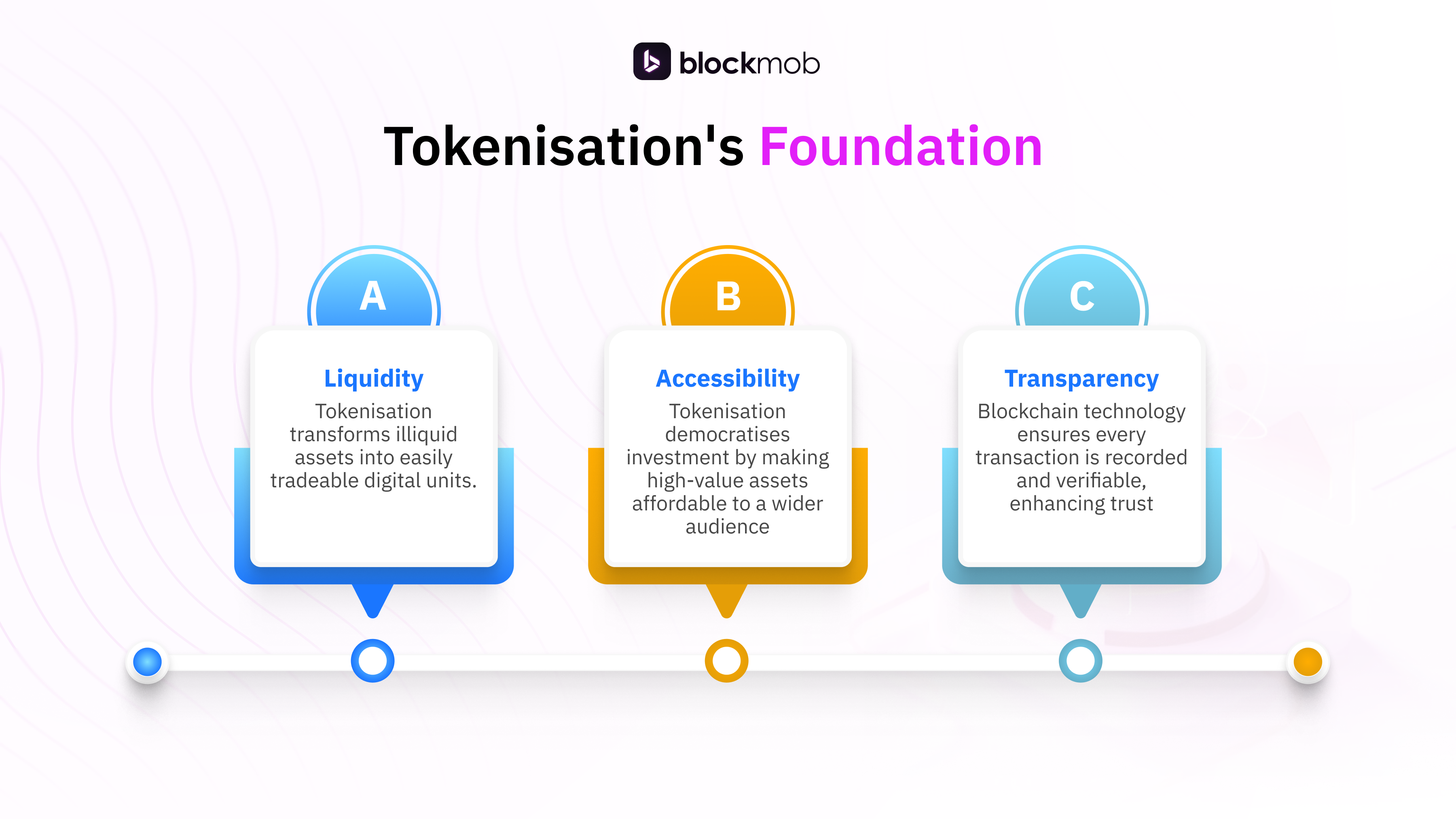
Traditionally, only wealthy individuals or institutions could invest in high-value assets like property or private equity. Tokenisation changes this. By dividing assets into smaller units, investment becomes affordable for a much wider audience.
Imagine being able to invest in New York real estate or fine art with just $100. That is the kind of inclusivity tokenisation enables.
2. Unmatched Liquidity
Many valuable assets are illiquid, hard to buy or sell quickly. Tokenisation transforms these into tradeable digital units. This means investors no longer have to lock capital for years. Instead, they can trade tokens instantly on digital platforms.
3. Trust Through Transparency
Blockchain ensures every token transaction is recorded, time-stamped, and verifiable. Fraud becomes harder, and auditing becomes easier. For industries built on trust, such as finance and real estate, this is a game-changer.
Industries Leading the Shift
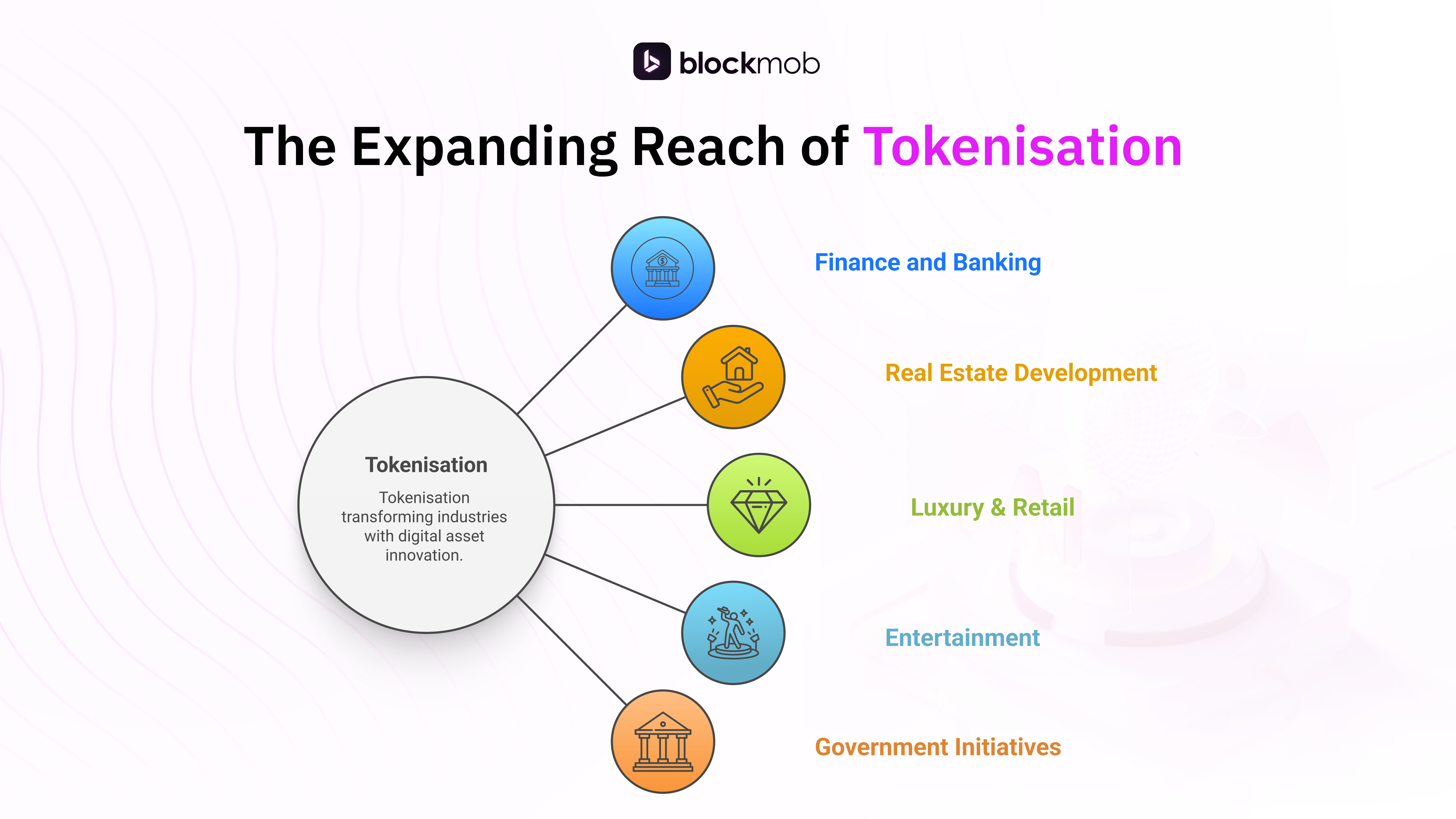
Tokenisation is not limited to niche experiments. Entire industries are moving in this direction:
- Finance and Banking: Global banks are piloting tokenised bonds and securities to speed up capital markets.
- Real Estate Development: Property firms are using tokenisation to reach international investors and reduce reliance on slow traditional financing.
- Luxury & Retail: Brands are tying digital tokens to physical goods, giving buyers proof of authenticity and ownership.
- Entertainment: Musicians and filmmakers are tokenising rights, giving fans direct investment opportunities in creative projects.
Even governments are exploring frameworks for tokenised assets, a strong sign that this shift is heading towards mainstream adoption.
Why Tokenisation Is Bigger Than Cryptocurrencies
Cryptocurrencies changed how we move money. Tokenisation changes how we own everything.
The economic impact goes far beyond finance:
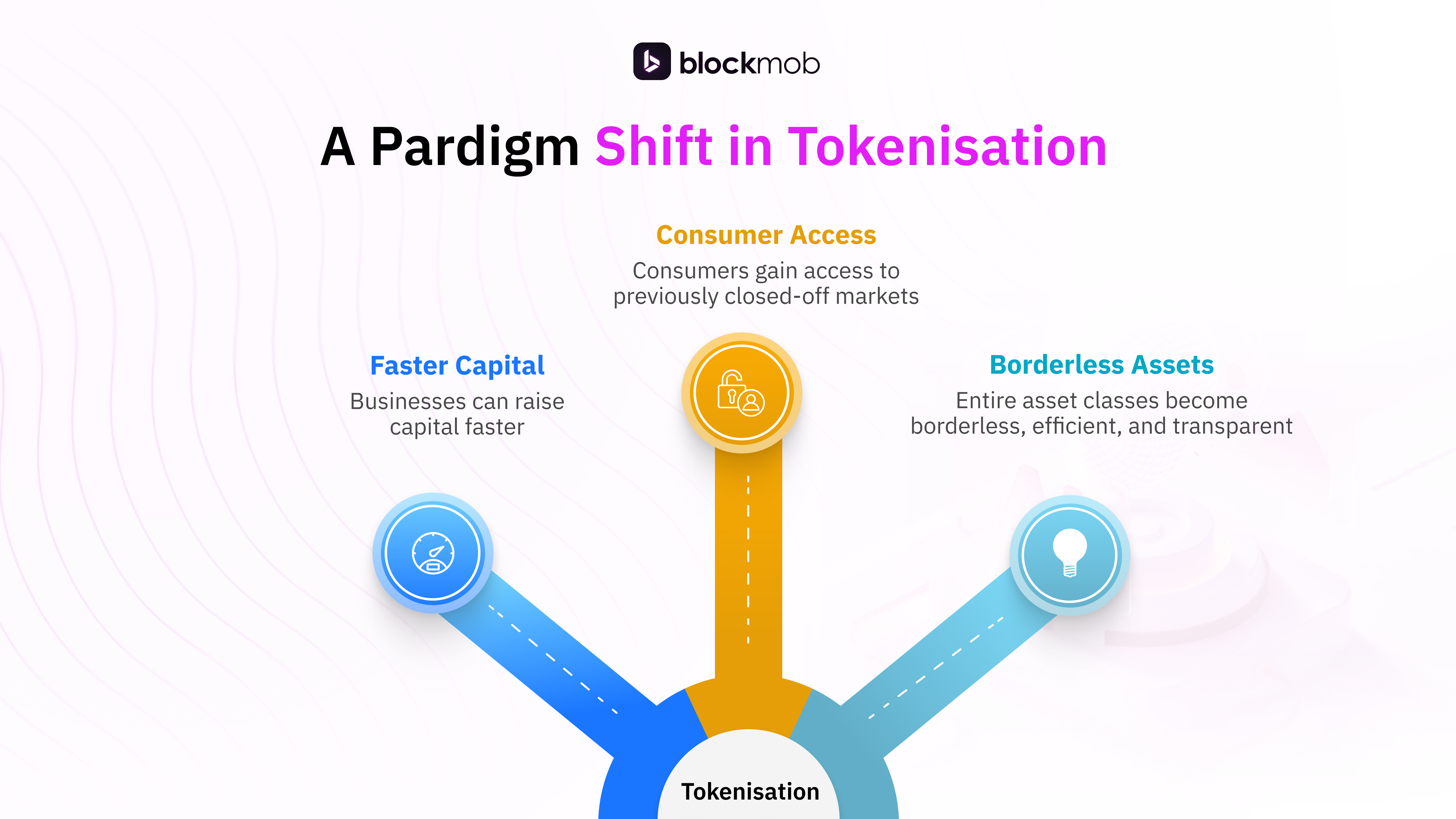
- Businesses can raise capital faster.
- Consumers gain access to previously closed-off markets.
- Entire asset classes become borderless, efficient, and transparent.
Where cryptocurrencies were disruptive, tokenisation is transformative; it integrates blockchain into the core of the global economy.
The Role of Builders in This Revolution
For tokenisation to succeed, businesses need more than just tokens. They need infrastructure: secure smart contracts, scalable platforms, user-friendly applications, and robust compliance mechanisms.
This is where the role of builders becomes critical. At Blockmob Labs, we don’t market tokens directly. Instead, we focus on designing and developing the platforms and systems that power tokenised assets.
We work with businesses, startups, and financial institutions to:
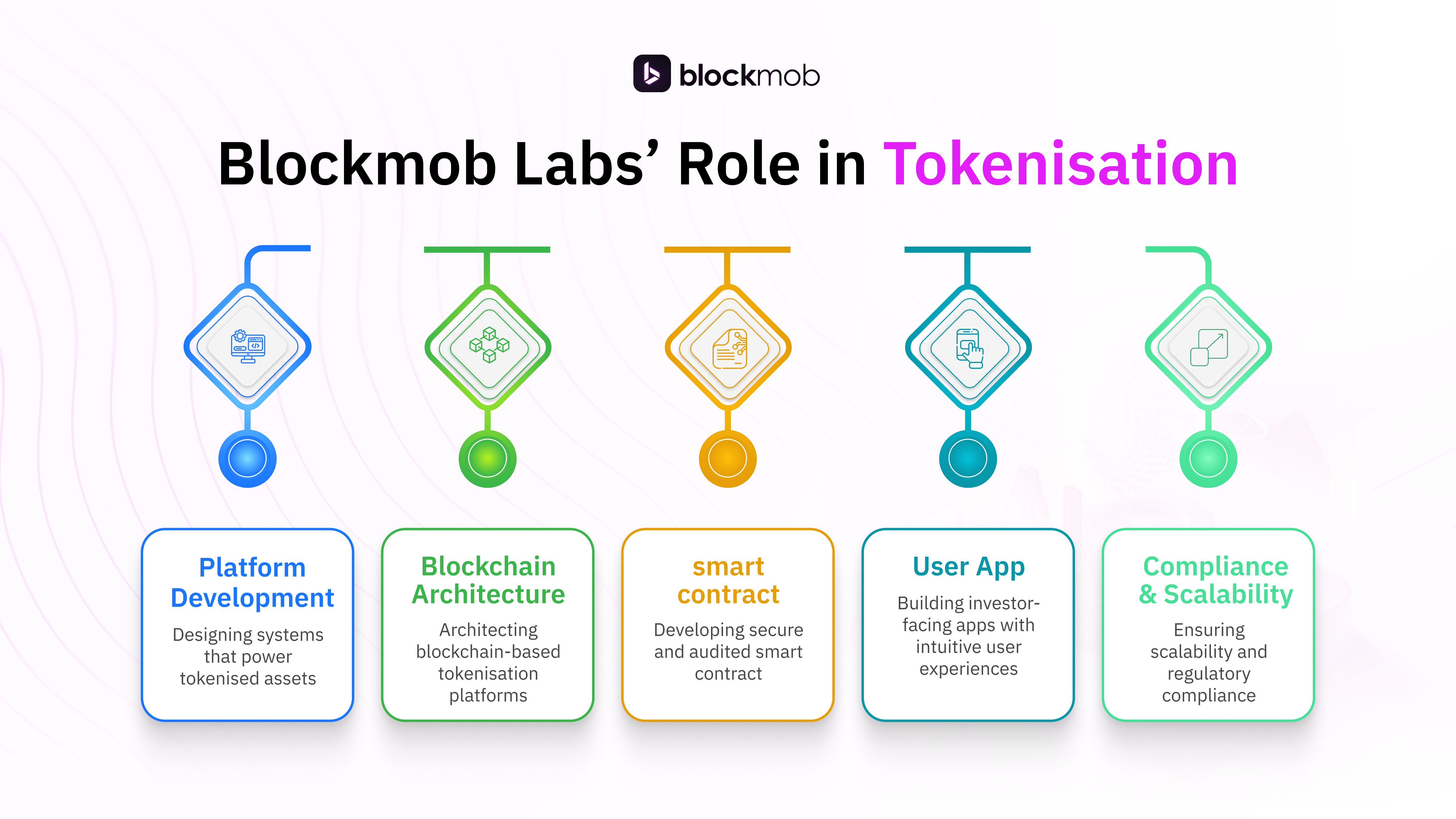
- Architect blockchain-based tokenisation platforms.
- Develop secure and audited smart contracts.
- Build investor-facing apps with intuitive user experiences.
- Ensure scalability and regulatory compliance.
By providing this backbone, we help enterprises bring their tokenisation visions to life.
Looking Ahead
The internet changed how we communicate. Cryptocurrencies changed how we transact. Tokenisation is about to change how we own and interact with assets.
The leap from crypto to tokenisation mirrors the leap from email to the modern internet economy. What started as an experiment in digital money is now unlocking an entirely new financial and business ecosystem.
For forward-thinking businesses, the key question is no longer “Will tokenisation happen?” but “How quickly can we build the infrastructure to lead it?”
At Blockmob Labs, that’s exactly what we do: designing and developing the technology behind tokenised assets.


