


Mastering the Telegram Ecosystem: Integrating Mini Apps and Trading Bots for Web3 Communities

This blog explains how Telegram Mini Apps and trading bots are transforming how Web3 products are built and experienced inside communities. It breaks down how teams can reduce friction, improve engagement, and create real-time user interactions by turning Telegram from a messaging platform into a complete product ecosystem.
In Web3, products rarely grow in isolation. They grow inside communities.
Over time, one platform has naturally become the home of these communities.
Telegram
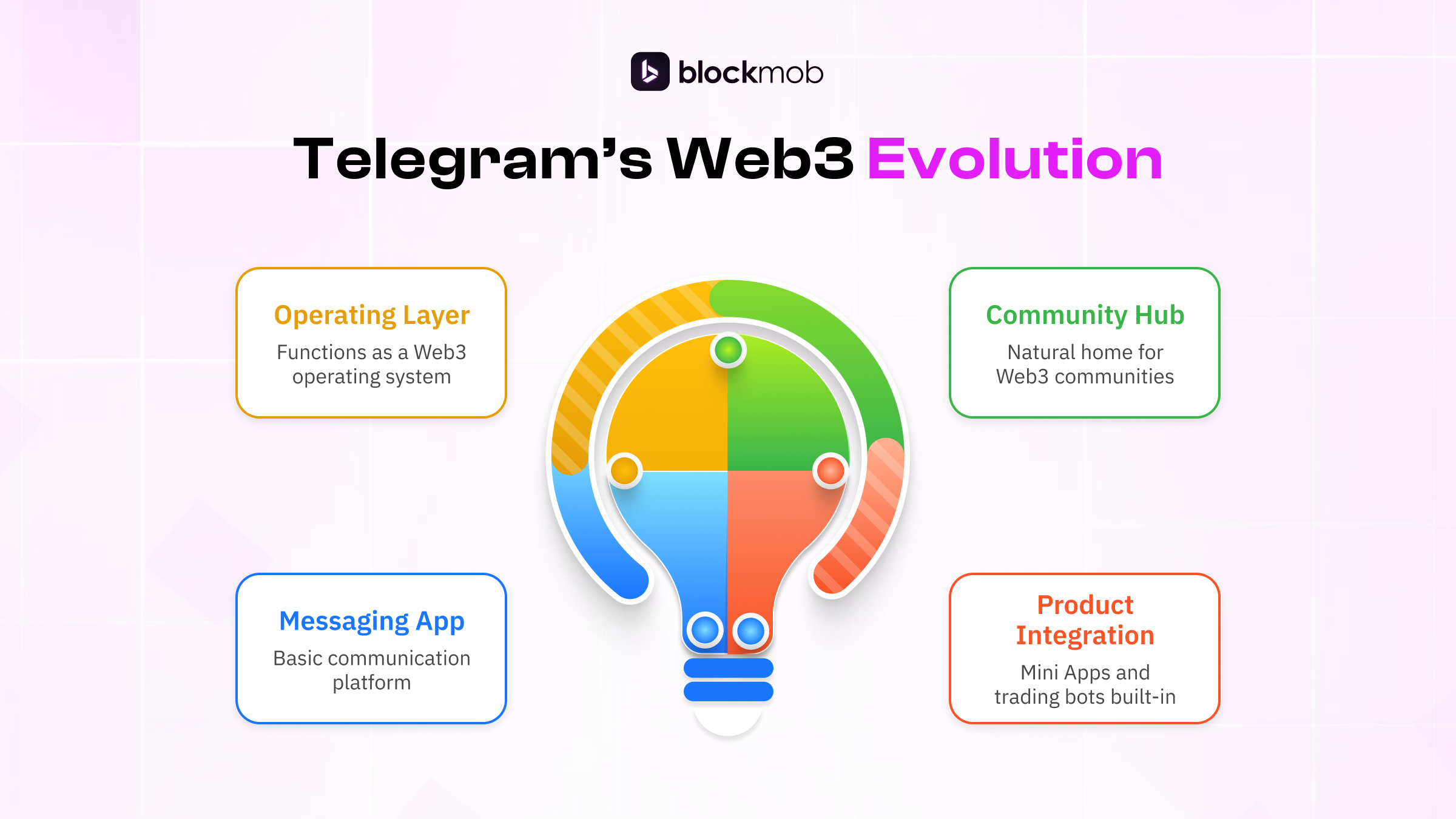
Telegram started as a messaging app, but today it functions more like an operating layer for Web3. Communities discuss ideas, track markets, launch tokens, play games, and interact with on-chain activity without ever leaving the chat.
This shift has quietly changed how Web3 products are built and adopted.
Instead of pushing users toward external dashboards or websites, many teams are now bringing the product experience directly into Telegram through Mini Apps and advanced trading bots.
Understanding how this ecosystem works is becoming increasingly important for teams focused on fast iteration and community-led growth.
Why Telegram Fits Web3 So Naturally
Web3 users value speed, simplicity, and direct access.
They prefer tools that feel immediate and familiar. Telegram already provides that environment. Conversations happen in real time. Communities form organically. Trust is built through presence rather than marketing.
When product interactions happen inside the same space where discussion already exists, friction drops significantly.
For many teams, Telegram is no longer just a communication channel. It is becoming the place where users experience the product itself.
What Telegram Mini Apps Really Are
Telegram Mini Apps are often misunderstood.
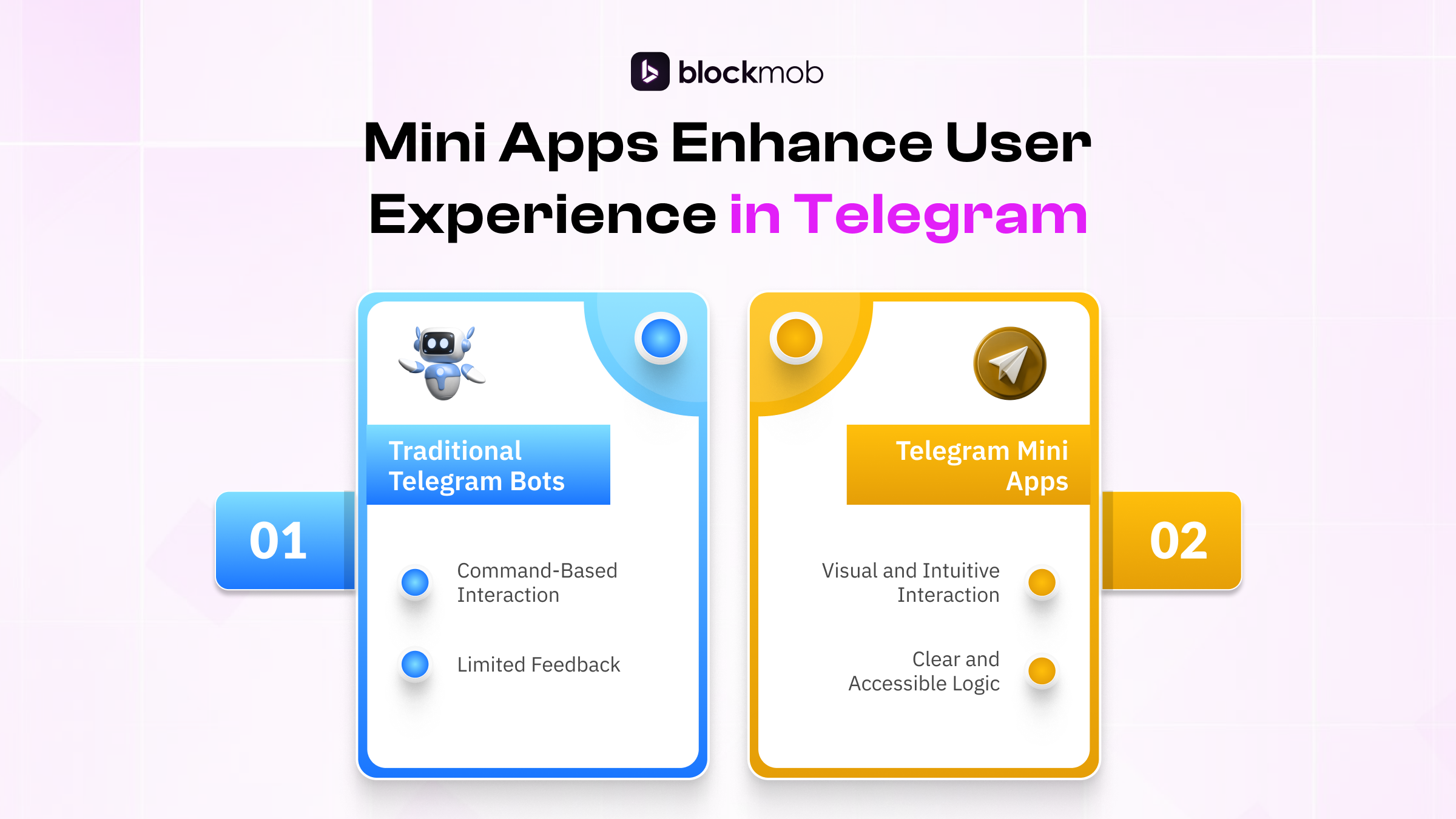
They are not simple chatbots with commands. They are interactive applications that open inside Telegram and behave like lightweight web apps.
A user taps a button and sees a structured interface. Screens, actions, flows, and feedback all exist in a visual format that feels familiar even to non-technical users.
There is no need to install anything. There is no context switching. Everything happens inside the chat environment users already trust.
This makes Mini Apps especially effective for onboarding, engagement, and repeat usage.
Why Simple Bots Often Fall Short
Traditional Telegram bots rely heavily on typed commands. While this works for basic alerts or notifications, it creates friction for more complex actions.
Users have to remember commands. Feedback is limited. Flows feel fragmented.
As Web3 communities grow more sophisticated, expectations around experience grow with them. People now expect clarity, visual guidance, and intuitive interaction.
Mini Apps address this gap by allowing product logic to be presented in a way that feels natural and accessible.
Designing Mini Apps with the User in Mind
Well-designed Telegram Mini Apps start with a simple question.
What should a user understand and do within the first few moments?
The most effective Mini Apps guide users gently. They reduce cognitive load. They avoid overwhelming interfaces. They focus on a small number of meaningful actions.
Behind the scenes, these apps often connect to wallets, data sources, and payment flows. But none of that complexity is exposed to the user.
When done well, the experience feels effortless, even though the system itself may be quite advanced.
Where Trading Bots Fit into the Picture
While Mini Apps focus on experience, trading bots focus on execution.
In many Web3 communities, especially those built around fast-moving tokens or memecoins, timing matters. Users want to act quickly without leaving the conversation.
Advanced trading bots allow users to interact with markets directly from Telegram. Buying, selling, and managing positions can happen with minimal friction.
For communities, this creates a sense of immediacy. For users, it removes barriers between intention and action.
From Utility to Product Thinking
The most successful Telegram bots are no longer treated as tools. They are treated as products.
They consider user flows, safety checks, clarity, and feedback. They evolve alongside the community that uses them.
Some bots focus on speed and execution. Others focus on education, tracking, or community incentives. In many cases, they are part of a broader ecosystem rather than standalone features.
This shift in thinking is what separates temporary hype from long-term usage.
Learning from Existing Telegram-Based Products
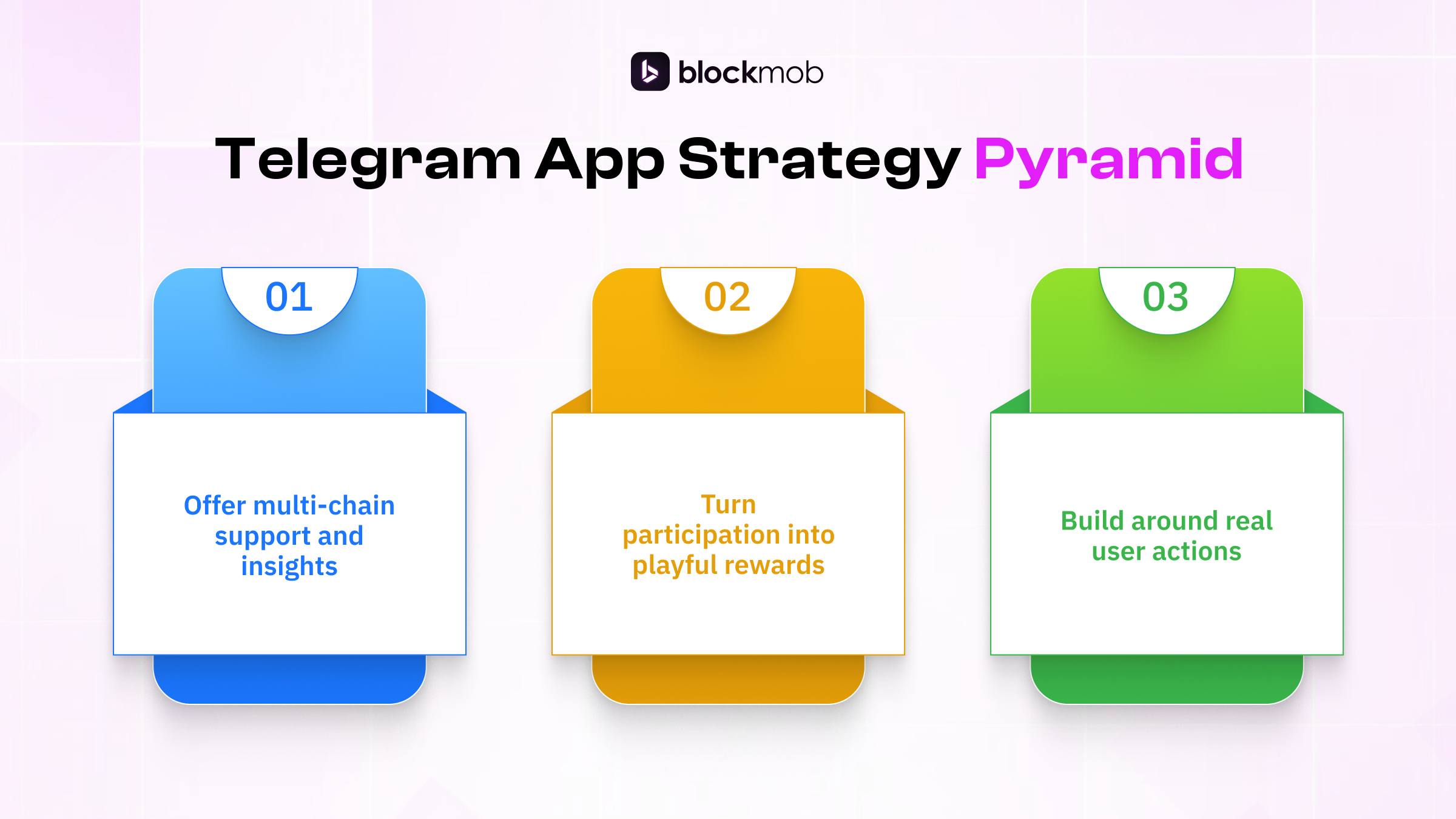
Some Mini Apps focus on engagement rather than finance. They turn participation into something playful and rewarding, encouraging users to return daily and interact more deeply.
Others focus on trading and execution, offering multi-chain support, referral mechanics, and user-level insights.
While the goals differ, the underlying principle is the same. Build around real user behaviour, not just technical capability.
Why Telegram Appeals to Early Stage Teams
Telegram lowers the barrier to experimentation.
Teams can deploy quickly. Feedback is immediate. Communities react in real time. Iteration happens fast.
For startups and memecoin creators, this environment supports rapid learning. Ideas can be tested, refined, or dropped without a large upfront investment.
This is one reason Telegram has become such a common starting point for new Web3 products.
Community Strategy Comes First
Technology alone does not create momentum.
Successful Telegram ecosystems are built around community design. How users discover features. How do they invite others? How participation is recognised. How trust is maintained.
Mini Apps and bots work best when they support these dynamics rather than trying to replace them.
The strongest projects treat the community not as an audience, but as part of the product itself.
Common Missteps in the Telegram Ecosystem
Some teams move too fast without thinking through experience or sustainability.
They launch bots that feel confusing. They overload users with commands. They skip security considerations. They fail to plan for growth.
Telegram users are quick to disengage if trust is broken or usability suffers.
Taking a thoughtful approach early often saves significant effort later.
The Bigger Picture
Telegram is quietly becoming one of the most important interfaces in Web3.
As Mini Apps mature and bots become more intelligent, more product experiences will live directly inside community spaces.
This does not replace websites or apps entirely, but it changes the starting point. The first interaction increasingly happens in chat.
Teams that understand this shift early are better positioned to build products that feel natural to Web3 users.
Closing Thoughts
Telegram Mini Apps and trading bots are not trends. They are responses to how communities actually behave.
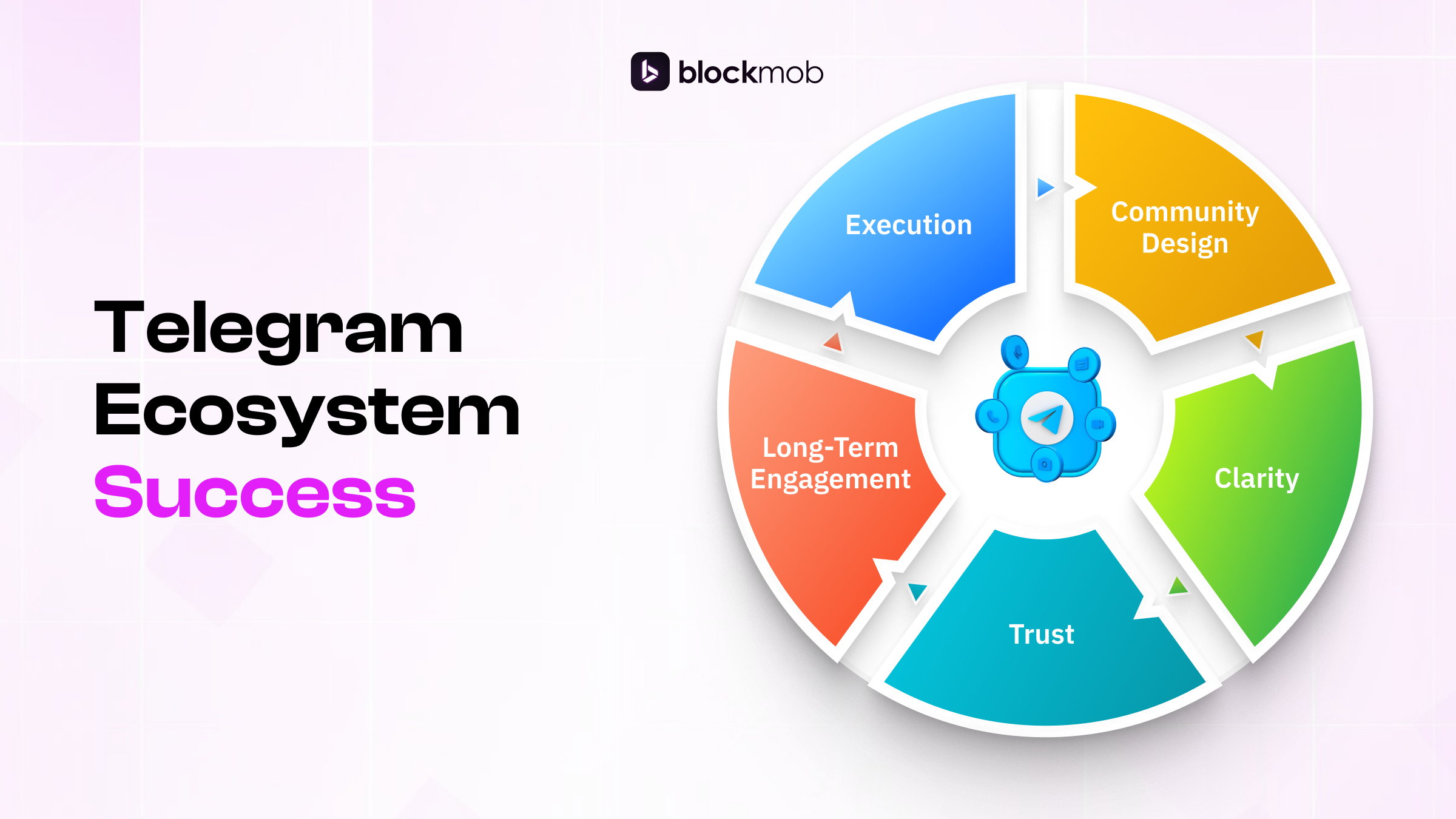
When experience, execution, and community design align, Telegram becomes more than a channel. It becomes an ecosystem.
For teams exploring this space, the focus should remain on clarity, trust, and long-term engagement rather than short-term hype.
Those principles tend to outlast any single tool.
If you are experimenting with Telegram-based products and want a second opinion on structure, experience, or scalability, conversations with teams who have built in this space can often save time and missteps.
Blockmob Labs spends a lot of time thinking about these systems, especially where community and Web3 infrastructure intersect.


